
As crime and chaos spill over from years of failed soft‑on‑crime policies, more American families are quietly turning their homes into fortified sanctuaries.
Story Snapshot
- Homeowners face a paradox: property crime rates are falling on paper, yet families still feel vulnerable and are investing heavily in home defense.
- Security systems, cameras, and alarms are surging, but accidental injuries and home hazards still kill far more Americans than burglars ever do.
- Government statistics show decades-long crime declines, yet urban victims and package thefts keep many on edge.
- Conservatives increasingly see layered, DIY home security as an extension of self-reliance and Second Amendment values.
Why Families Still Feel Unsafe Despite “Falling Crime” Claims
Federal crime statistics show a long decline in property crime since the early 1990s, with burglary rates dropping more than half from their peak and sliding another 8 percent between 2022 and 2023. Yet surveys find that more than half of homeowners who install security systems say they do it primarily because they fear property crime, and about one in six report having experienced a burglary at some point. Parents with children are especially motivated, with more than four out of five citing kids as a major factor.
Studies show this fear is not purely emotional. Nearly half of U.S. households report package theft, with more than one hundred million packages stolen in a single recent year, and roughly half of home security buyers say a prior incident pushed them to act. Urban households now face victimization rates approaching two hundred incidents per thousand homes, far higher than rural areas, even as the national burglary rate continues to drift downward. Families see the headlines, not the spreadsheets, and they react accordingly.
The Real Threat Inside the Home: Accidents, Fires, and Poisonings
Government injury data reveal that the deadliest dangers at home are not intruders but accidents, with more than 125,000 home and community deaths recorded in a recent year and poisoning alone killing roughly 77,000 people. Falls, choking, and fires add tens of thousands more deaths and billions in property losses annually. One analysis estimates a home fire occurring roughly every ninety seconds nationwide, while cooking-related blazes account for nearly half of all home fires, underscoring the need for basic prevention gear.
Safety experts note that simple, common-sense tools dramatically cut these risks. Working smoke alarms can reduce home fire deaths by up to seventy percent, while carbon monoxide detectors, childproofing, railings, and non-slip surfaces sharply lower fatal accidents. Yet many households still spend thousands on cameras and alarms while ignoring expired fire extinguishers or unsecured medications. For conservatives who value personal responsibility, this imbalance highlights the importance of taking ownership of all hazards, not just the ones politicians or activists spotlight.
Security Tech Boom: Cameras, Alarms, and the New Home Defense Layer
Driven by fear, convenience, and cheaper technology, more than half of U.S. households now use some form of home security system, whether professionally monitored or self-monitored through smart devices. Surveys show about seventy percent of these homes rely on security cameras, more than sixty percent use video doorbells, and more than half have installed traditional alarm systems. Only a minority pay for full-time monitoring, reflecting a preference for control and self-reliance rather than dependence on far-off call centers.
The home security market already exceeds fifty billion dollars and is projected to approach ninety billion within a few years, with tens of millions of households either already protected or planning an installation. However, nearly a third of users later regret the costs, and more than forty percent of households still have no system at all, often saying they see “no need” or cannot justify the expense. This divide mirrors the broader national split between Americans who trust they will be protected and those who believe they must protect themselves.
Conservative Take: Turning Your House into a Law‑Abiding Fortress
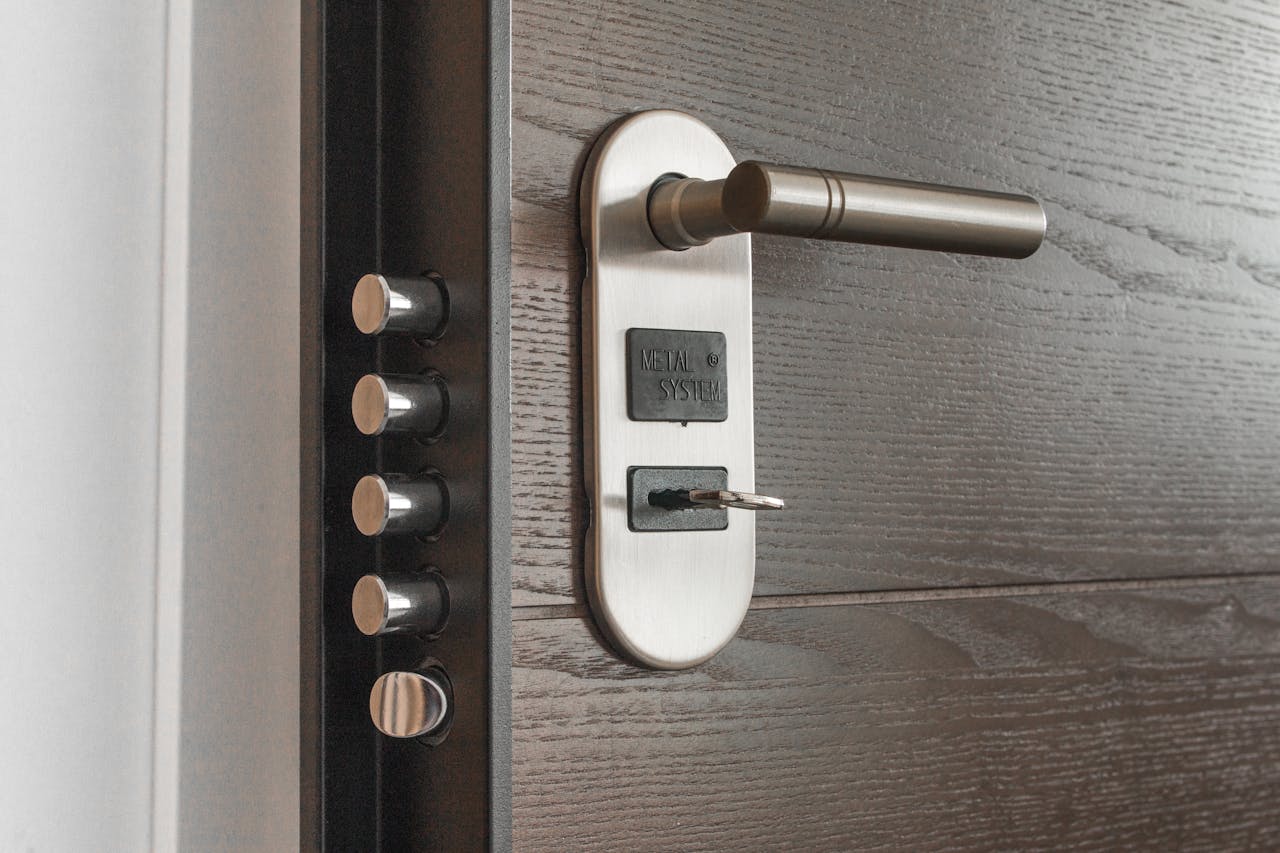
For many on the right, the home is the last line of defense in a culture that often feels hostile to traditional values, gun rights, and local law enforcement. Security experts point out that most burglars enter through obvious points like the front door and head straight for master bedrooms, making visible cameras, reinforced doors, and lighting crucial deterrents. Research suggests that security systems and alarms significantly reduce the likelihood a home will be targeted or successfully burglarized, giving families a tangible edge.
Layered defense fits naturally with conservative principles: strong locks and cameras, responsible firearm ownership where legal, and practical safeguards against fires and accidents. While federal and state agencies can provide statistics, they will not be standing in your hallway when something goes wrong. By combining smart technology with time-tested safety habits, homeowners can close the gap between official claims of “safer streets” and the day-to-day reality they see on their own block, reclaiming peace of mind without waiting on bureaucrats.
Sources:
Home Security Statistics: How Americans Protect Their Homes
Household Accidents Statistics: The Hidden Dangers at Home
Home Burglary Crime Statistics: What You Need to Know
Home Accident and Injury Statistics
2025 Cost of Home Safety Report
Home Security Statistics: Adoption, Effectiveness, and Trends
Deaths in the Home and Community: National Safety Council Injury Facts