
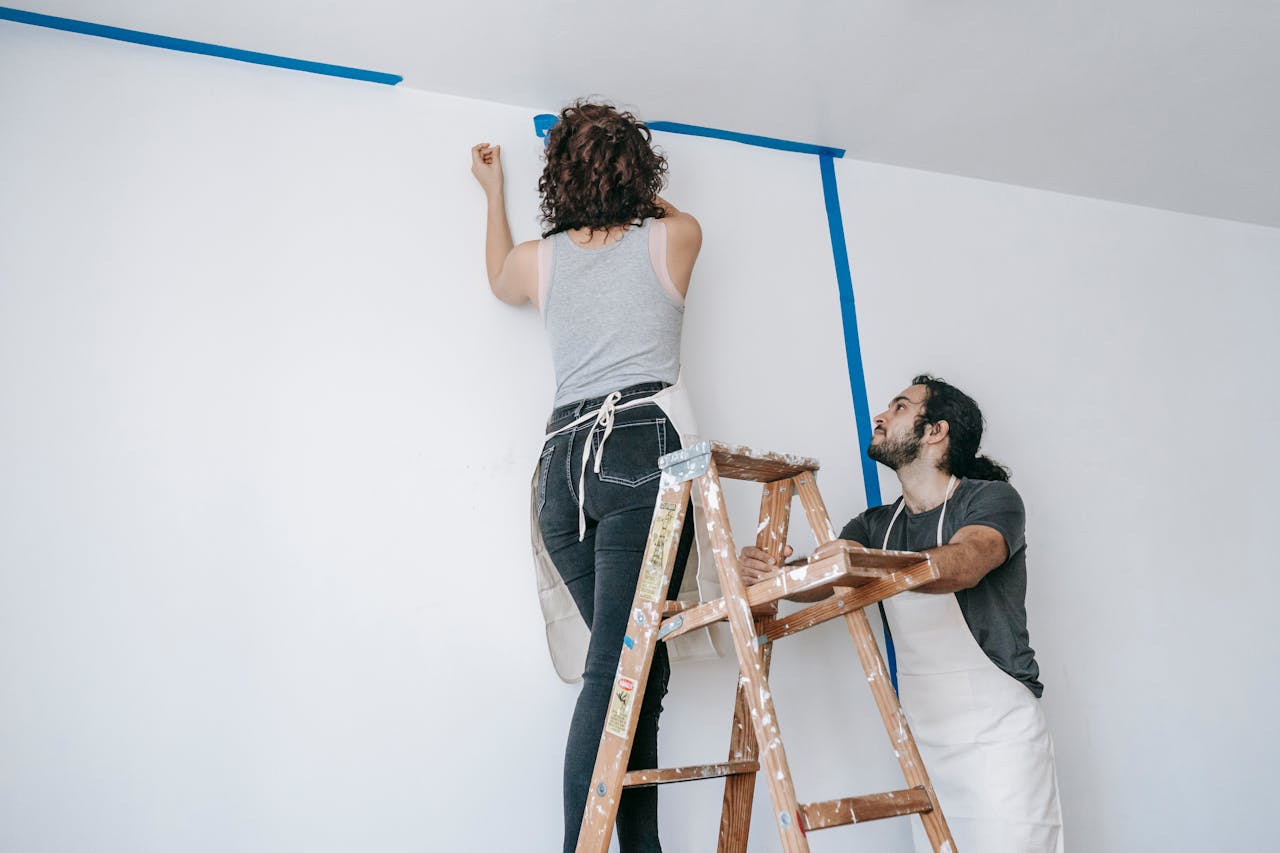
As inflation continues to pressure American wallets, learning DIY home repair skills becomes not just a money-saver but a necessity.
Story Overview
- DIY skills empower self-reliance and reduce costs for homeowners.
- Essential skills include fixing leaks, patching drywall, and basic electrical tasks.
- Rising professional repair costs make DIY skills more relevant.
- Industry experts recommend starting with simple, low-cost projects.
DIY Skills: A Path to Financial Independence
As the cost of living continues to rise, many conservative homeowners are turning to DIY home repairs as a solution. Learning to fix minor issues such as leaky faucets, patching drywall, and basic electrical tasks can significantly reduce the need for costly professional services. This trend towards self-reliance aligns with traditional American values of independence and thriftiness, offering a practical way to manage household expenses effectively.
DIY home repair skills not only cut costs but also empower individuals to take control of their living spaces. For instance, fixing a leaky faucet or replacing a light switch can save homeowners hundreds of dollars annually. With professional repair costs averaging over $500 per call, embracing these skills becomes a crucial financial strategy. Moreover, these skills promote self-sufficiency, a core conservative value, by reducing dependency on external services.
The Historical Context of DIY Culture
The DIY movement has deep roots in American culture, dating back to the post-WWII era when suburban homeownership surged. This period saw the rise of guides and television shows promoting self-sufficiency in home maintenance. As economic pressures like the 2008 housing crisis and the COVID-19 pandemic increased, the interest in DIY projects surged. These historical trends have cemented the role of DIY skills in maintaining financial stability and autonomy in American households.
The current economic climate, marked by inflation and supply chain disruptions, has only heightened the relevance of DIY skills. With repair costs rising by 10% in recent years, homeowners are increasingly motivated to learn basic repair tasks. This shift not only saves money but also fosters a sense of accomplishment and independence, resonating with the conservative emphasis on personal responsibility and capability.
Expert Recommendations and Essential Skills
Industry experts recommend starting with simple projects that provide immediate benefits. Core skills include fixing leaks, patching drywall, and performing basic electrical repairs. These tasks are often manageable with minimal tools, such as a cordless drill and a set of screwdrivers. By mastering these foundational skills, homeowners can tackle more complex projects over time, further reducing their reliance on professional services.
While some experts compile extensive lists of up to 50 skills, the consensus is to begin with essential, beginner-friendly tasks. This approach not only builds confidence but also ensures safety, prioritizing the use of appropriate tools and techniques. As homeowners become more adept, they can expand their skillset, tackling more advanced projects that further enhance their home’s value and functionality.