
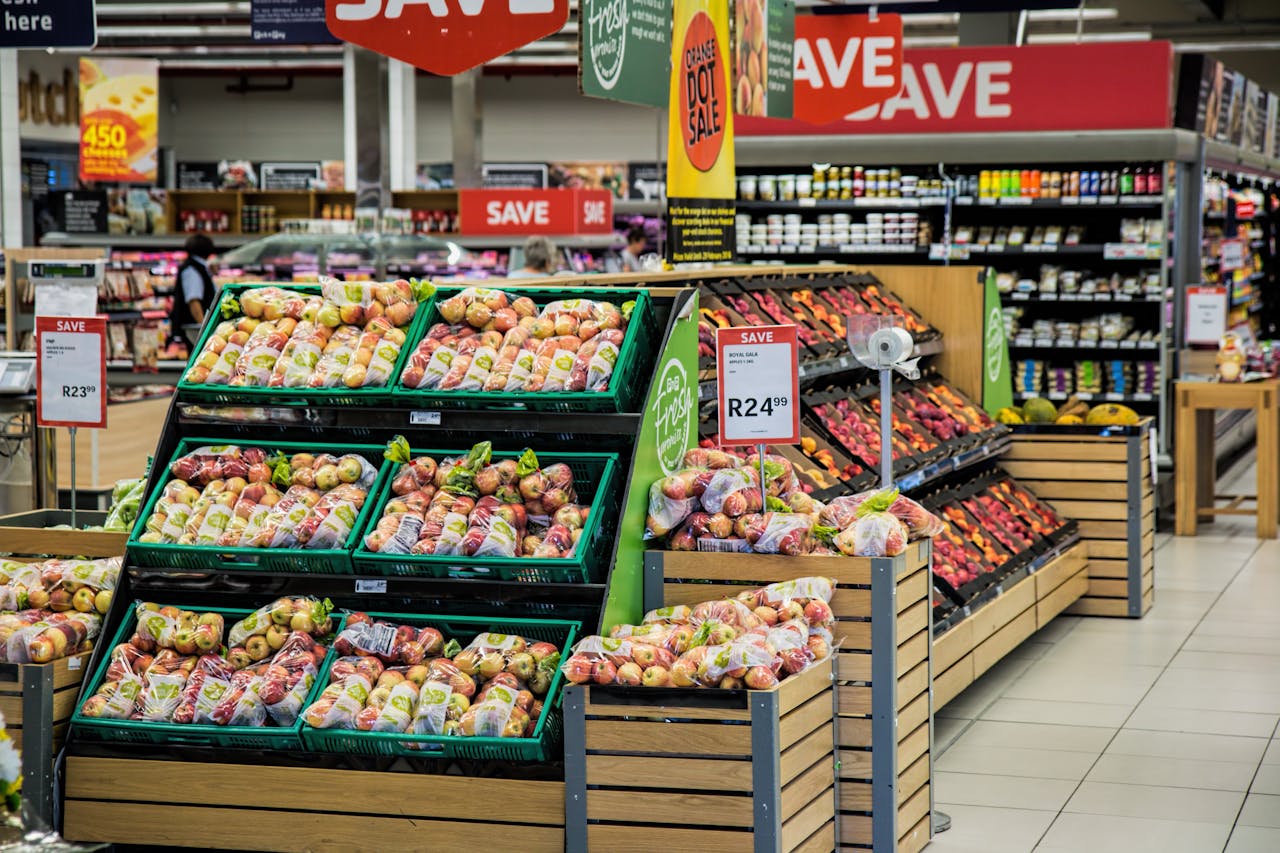
Exorbitant grocery prices drive families to adopt budget meal plans, highlighting the absurdity of inflation-driven dietary challenges.
Story Overview
- Global inflation spikes have increased grocery costs by 20-30% from 2022 to 2025.
- Affordable meal plans, like those from Budget Bytes, offer families $100 weekly menus to combat rising costs.
- Health organizations like the BHF and AHA provide budget-friendly nutrition guides to prevent diet-related diseases.
- Low-income families, particularly urban households, are most affected by food price surges.
Impact of Inflation on Grocery Prices
Between 2022 and 2025, global inflation has drastically raised grocery costs by 20-30%, placing a significant burden on households striving to maintain nutritious diets. Many families now find themselves grappling with the challenge of feeding their families on tight budgets while navigating the ever-increasing prices of essential food items.
In response, various organizations have introduced budget-friendly meal plans. These plans, such as those from Budget Bytes, provide practical solutions for affordable cooking. By focusing on inexpensive staples like beans, eggs, and seasonal vegetables, these guides aim to minimize daily meal costs to under $100 weekly for families, without sacrificing nutritional value.
Health Organizations’ Role in Promoting Nutritious Eating
The British Heart Foundation (BHF) and the American Heart Association (AHA) have stepped up, offering meal planning guides that align with nutritional standards while staying affordable. Their initiatives target low-income households, aiming to curb diet-related diseases by promoting heart-healthy recipes that make use of plant-based proteins and batch cooking methods.
The Mayo Clinic and USDA MyPlate also contribute by offering tips and plans that incorporate lean meats, whole grains, and other affordable ingredients to support healthy living despite the financial strain many face.
Benefits and Challenges of Budget Meal Planning
Implementing these budget meal plans offers immediate financial relief to families, enabling them to allocate savings to other essential needs while still maintaining a healthy diet. The social impact is substantial, with healthier families experiencing reduced waste and improved overall well-being.
However, challenges remain, particularly for urban and rural communities with limited access to discount grocery stores and farmers’ markets. The sustainability of such meal plans depends on consistent community support and the availability of affordable produce.
Sources:
British Heart Foundation – Sample Menus
Western Health – Budget-Friendly Meal Planning
Budget Bytes – Budget-Friendly Meal Prep
Mayo Clinic Health System – Eating Healthy on a Budget
BBC Good Food – Budget Family Suppers
MyPlate – Healthy Eating on a Budget
Nutrition.gov – Food Shopping and Meal Planning