
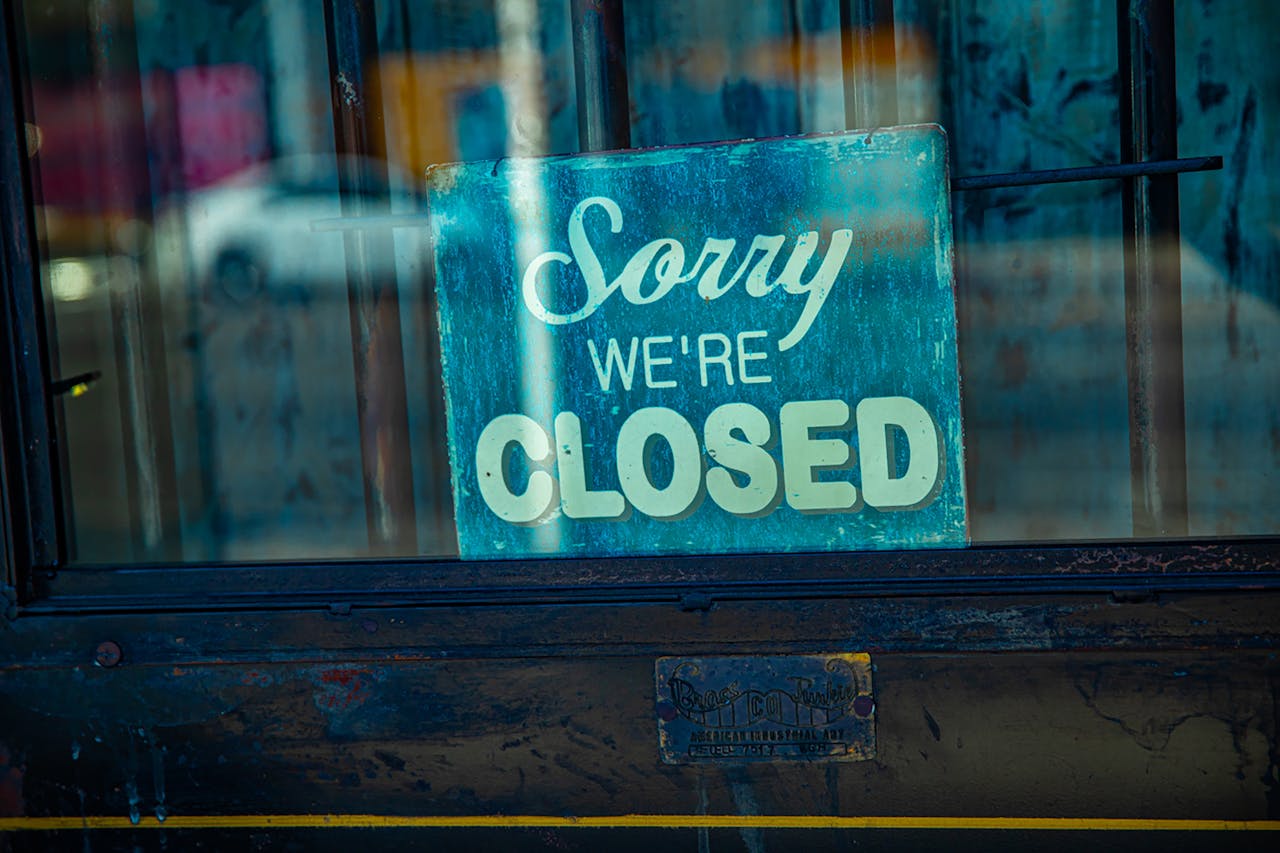
Forty to sixty percent of small businesses shutter forever after a single disaster, turning ambitious entrepreneurs into statistics overnight.
Story Snapshot
- SBA data reveals 40-60% of small businesses never reopen post-disaster, underscoring urgent planning needs.
- Federal tools from SBA and FEMA offer free, simple checklists that enable twice-as-fast recovery.
- Hurricanes, floods, wildfires, and cyberattacks drive the framework, with COVID-19 accelerating digital protections.
- Prepared owners conduct drills, secure data backups, and access grants to reclaim control swiftly.
- Resource-strapped small firms rely on no-cost government guides, unlike corporations with risk teams.
Disaster Statistics Expose Small Business Vulnerabilities
U.S. Small Business Administration tracks show 40-60% of small businesses fail to reopen after disasters like hurricanes or floods. Hurricane Katrina in 2005 crystallized this trend, with small firms comprising most permanent closures. Owners in hazard-prone areas—75% of small businesses—face floods, fires, or storms without plans. SBA’s aggregated data from events like 2017 hurricanes Harvey, Irma, and Maria confirms unprepared firms suffer weeks of downtime. Common sense demands action; ignoring stats risks total loss.
FEMA’s Ready.gov launches in the 2010s provided business tools after Joplin’s 2011 tornado highlighted continuity gaps. Cyberattacks and 2020 COVID-19 added layers, forcing supply chain and remote work safeguards. SBA’s PrepareMyBusiness.org now assesses risks online. These evolutions empower owners to identify threats early, aligning with conservative self-reliance values over government bailouts.
Federal Agencies Deliver Core Preparedness Tools
SBA publishes the Business Resilience Guide, updated in 2025, with utility shutoff protocols and floor plans for evacuations. FEMA offers hazard checklists and THIRA assessments to rank risks. Owners download these free from PrepareMyBusiness.org and Ready.gov. IRS provides tax guidance and disaster loss workbooks, stressing data backups. Small businesses under 500 employees implement via simple steps, avoiding corporate complexity.
U.S. Chamber of Commerce Foundation partners with FedEx for $5,000 recovery grants and 10-step checklists. Local entities like NYC SBS run workshops for urban threats. Allied Universal advises facility hardening. Owners drill annually, test communications, and stock kits. Facts prove prepared firms recover twice as fast, per SBA metrics—practical resilience beats wishful thinking.
Step-by-Step Framework Builds Business Defenses
Owners start with hazard vulnerability assessments, prioritizing top threats like floods or ransomware. SBA recommends non-electric comms and employee contact trees. Develop floor plans marking exits and shutoffs. Secure offsite data backups as IRS urges. Conduct tabletop exercises simulating disruptions. Review plans yearly, integrating cyber defenses post-2020 incidents. This sequence cuts recovery time by 50%.
Grants from U.S. Chamber require eligibility quizzes, favoring planned businesses. NMSBDC’s October 2025 Resilience Guide adds 2025-specific tactics. Allegany County’s July 2025 continuity guide tailors to regional risks. Conservative principles favor these self-funded drills over endless aid dependence. Owners who execute thrive; laggards join the 40-60% failure rate.
Real-World Recovery Stories Validate Planning
Post-2024 wildfires, SBA reports planned firms reopened in days versus months for others. Restaurants using HVA forms maintained cash flow during floods. Retailers with backup power weathered outages. COVID-19 survivors had remote protocols ready. These precedents show drills prevent economic voids in communities where small businesses form 99% of firms. Insights reveal overlooked hazards like utility failures doom the unprepared.
Stakeholders align: SBA loans surge for resilient owners. FEMA sets national standards. Trade groups influence via funding. Power dynamics place federal agencies at the helm, but execution rests with owners. Broader impacts include safer workplaces and recession-proofing. American values celebrate entrepreneurs who plan ahead, securing livelihoods without fanfare.
Sources:
https://www.sba.gov/business-guide/manage-your-business/prepare-emergencies
https://www.uschamber.com/co/start/strategy/emergency-preparedness-plan-for-business
https://www.aus.com/security-resources/emergency-preparedness-planning-your-business
https://www.nmsbdc.org/wp-content/uploads/2025/10/Business-Resilience-Guide.2025.pdf